
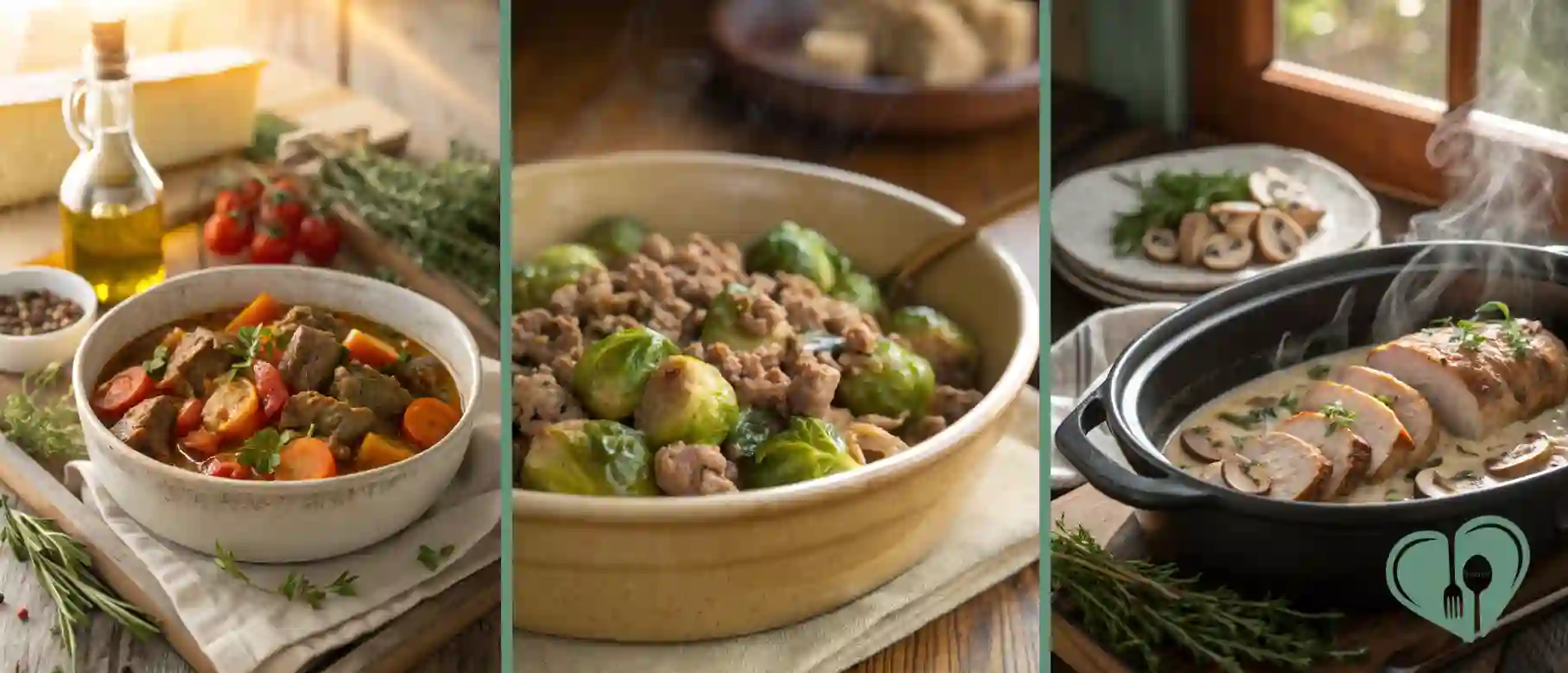
There is something almost calming about coming home to a warm slow cooker doing its thing. If you have been searching for crockpot meals for diabetics that actually taste good and do not mess with your numbers, you already know the struggle. Some nights you want comfort. Other nights you want to avoid thinking about carbs completely. And sometimes you are just tired of Googling the same recipes that all feel copy pasted.
I get it Managing blood sugar while trying to enjoy real food can feel like walking a tightrope. One wrong ingredient and your readings jump. One rushed dinner and you end up eating whatever is closest. That mix of frustration and guilt hits harder than anyone talks about. Slow cookers help more than people expect. They create steady, gentle heat. Flavors deepen. Carbs absorb differently. Portions feel easier to control. And mentally you get a break because the work happens hours before you are hungry.
Before I wrote this, I actually sat with the question you might be asking yourself right now. Can a list of crockpot meals truly make diabetic eating easier or is this just another food blog promising the moon. Honestly, yes, it helps. Not magically. Not perfectly. But enough to take a little pressure off your shoulders. When you put a meal in the cooker earlier in the day your evening becomes a bit lighter. You might even feel like you are winning at something for once. That tiny shift matters.
This article pulls together twenty crockpot recipes you can trust. Every meal leans low carb. Ingredients stay simple. Seasonings stay bold. And each dish respects the fact that your blood sugar has opinions of its own. You will see lean proteins, fiber rich veggies, creamy sauces without heavy starch and flavors that do not rely on sugar or artificial junk. You will also get small insights on portions swaps and ways to keep each recipe in the safe zone.
As you read, pay attention to the little moments where something clicks. Maybe you realize you can replace noodles with cauliflower without feeling punished. Maybe you notice that soups make portion control easier. Maybe you realize you are not as limited as you thought. That spark of possibility is the whole point here.
Let’s get into it.
Why Crockpot Meals Work So Well for Diabetics
Let me tell you something I learned the hard way: the cooking method matters more than we think. When you’re managing diabetes, you’re constantly trying to balance flavor, convenience and blood sugar… and sometimes it feels like you can only pick two. Crockpot meals for diabetics hit a sweet middle ground because they slow everything down – the cooking, the decision-making, the stress. And honestly, that slowness is a blessing when life already feels fast enough.
There’s this quiet stability that comes with prepping dinner earlier in the day. You’re not starving yet, you’re not rushing, you’re not grabbing whatever is closest. You just throw ingredients into the pot close the lid and trust the process. And weirdly that small moment of calm shows up later in your blood sugar. Meals become more predictable. Portions feel easier to control. You’re not dealing with sudden spikes from sugary sauces or fried edges. Everything cooks gently, so flavors deepen without relying on carbs to carry the taste.
Another thing people don’t talk about is the emotional relief. Diabetic cooking can feel like a minefield – every ingredient has consequences, and every choice carries a bit of anxiety. Slow cookers take some pressure off. Because once dinner is in the pot, it’s out of your hands. You’re not debating carbs at 6 pm. You’re not wrestling with cravings while staring into the fridge. The decision already happened and it was a smart one. That’s a rare feeling when you’re juggling health on top of everything else.
And the science-ish side of it makes sense too. Slow cooking keeps fiber intact which helps slow digestion. Lean proteins stay tender instead of drying out. Vegetables soften without turning into a starchy mess. Even sauces thicken naturally without the usual flour or cornstarch – both of which can push blood sugar higher than you want. It’s not magic but it definitely works in your favor more often than not.
Do slow cookers make carbs easier to handle?
Sort of. Slow cooking doesn’t erase carbs, but it usually keeps meals lower-glycemic because nothing is cooked at high heat or drowned in sugar-heavy glazes. You end up with steady energy instead of those unpredictable peaks that ruin your evening.
FAQ: Why are crockpot meals good for diabetics?
Crockpot meals support diabetics by creating balanced, low-carb dishes that digest slowly, keeping blood sugar steadier. They also reduce last-minute eating decisions which are usually the ones that lead to spikes.
How to Build a Low-Carb Crockpot Meal That Won’t Spike Blood Sugar
Let’s be real for a second. Throwing random ingredients into a crockpot can go two ways: you end up with a comforting, low-carb meal that treats your blood sugar kindly… or you end up with a slow-cooked carb bomb you didn’t see coming. The difference isn’t luck. It’s knowing how to build the meal from the ground up. Once you get the structure right, you can pretty much create diabetic-friendly crockpot meals on autopilot.
The way I see it, a good low-carb slow cooker recipe starts with picking your “anchor” – usually a lean protein. Chicken thighs, turkey, lean beef, even tofu if that’s your thing. This anchor gives the meal its staying power. It keeps you full and steadies your glucose before anything else hits your system. After that, the real magic comes from non-starchy vegetables. They add volume soak up flavor, and stop the dish from turning into a heavy stew that leaves you feeling sluggish.
Carbs come last and honestly, they should be invited with caution. Slow cookers have a sneaky habit of turning starchy ingredients into mushy sugary mush. Potatoes get sweeter. Carrots soften too much. Grains expand like they’re trying to escape the pot. It’s not that you can’t include any carbs – you just need to keep them intentional. A tiny handful of lentils or a few chunks of sweet potato can work but only if you’re paying attention. And if you’d rather skip them entirely, you won’t miss them when your seasoning and veggies are working hard.
There’s a little trick I use that makes low-carb crockpot meals taste richer without adding anything that wrecks blood sugar: build layers of flavor instead of layers of carbs. A squeeze of lemon, a spoon of tomato paste, a dash of smoked paprika, a splash of broth or vinegar these tiny additions make the whole pot feel complete. it’s the kind of thing you only figure out after experimenting but once you see how powerful it is, you start relying on it more than cream or flour.
The Diabetic Plate Method, Crockpot Edition
I like to picture the pot the same way nutritionists draw the plate – it keeps things simple.
- Half of it: veggies that don’t spike anything
- A quarter: protein that keeps you full
- A quarter: controlled carbs… if you want them at all
It’s surprisingly easy to follow when everything cooks together.
Smart Low-Carb Swaps That Actually Taste Good
- Cauliflower instead of potatoes
- Zucchini ribbons instead of noodles
- Mushrooms instead of rice
- A spoon of Greek yogurt instead of cream
- Cabbage instead of pasta fillers
These don’t feel like sacrifices. They just make the meal lighter and more blood-sugar-friendly.
FAQ: What’s the biggest mistake diabetics make with crockpot meals?
Adding too many starchy ingredients. Slow cookers break them down fast, which can make them hit your bloodstream quicker than you’d expect. Keep them limited and intentional, and you’ll have a much easier time.
The 20 Best Crockpot Meals for Diabetics (Your Ready-Made Recipes)
There’s something strangely comforting about having a list of meals you can trust. Not “Pinterest looks cute but spikes your blood sugar” meals, but real dishes you’d actually cook on a Tuesday when you’re tired and just want something steady. These twenty crockpot recipes are exactly that – simple, low-carb, full of flavor and built with the kind of balance that doesn’t leave you guessing later. You’ll probably notice a theme as you go through them: clean flavors, smart ingredients and that slow-cooked tenderness that makes everything feel a bit easier.
Most of these are the type of meals you set up once and forget about. And honestly, that’s a relief. No juggling pans. No surprise sugar hiding in sauces. No guilt. Just solid, everyday food that respects your numbers and still tastes like something you’d look forward to at the end of the day.
1. Crockpot Salsa Verde Chicken
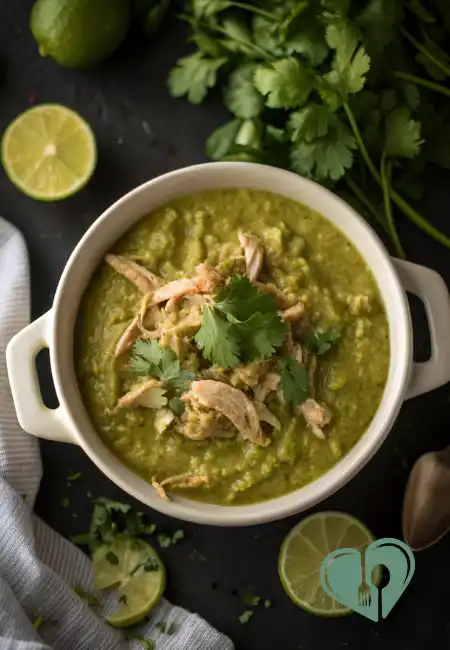
Bright, tangy and ridiculously easy. The salsa verde sinks into the chicken so deeply that it practically seasons itself. Great over cauliflower rice or wrapped in lettuce.
2. Slow Cooker Beef & Cauliflower Rice Bowl
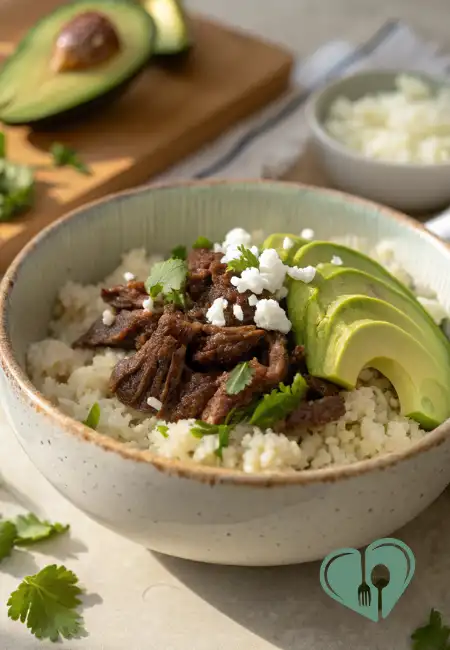
Instead of a heavy rice bowl, you get something lighter that still feels hearty. The cauliflower picks up the beef juices, which gives it more flavor than you’d expect.
3. Crockpot Low-Carb Turkey Chili
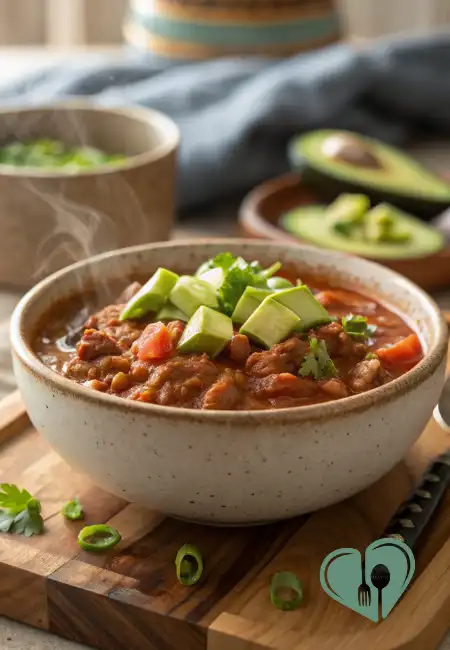
A steady, comforting chili without the usual carb overload. Lean turkey, tomatoes and spices give you that classic chili vibe without the crash.
4. Creamy Spinach Chicken Soup (Low Carb, Low Sodium)
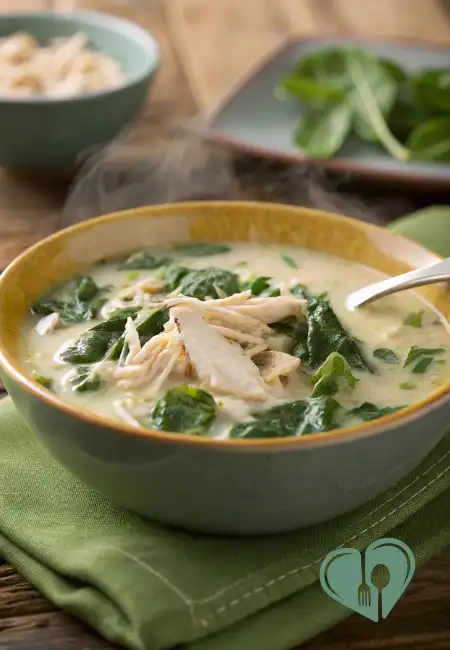
This one feels like a hug. The creaminess comes from smart swaps, not heavy ingredients, and the spinach adds a surprising amount of fullness.
5. Low-Carb Greek Lemon Chicken Stew
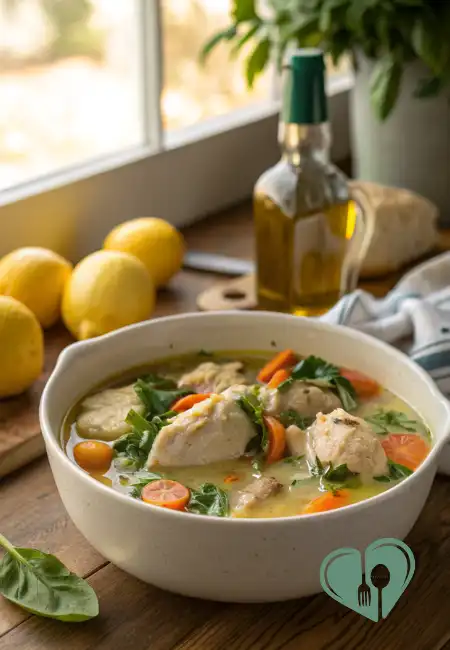
If you like bright flavors, this one hits the spot. The lemon keeps it lively while the chicken and veggies make it satisfying.
6. Crockpot Pork Tenderloin with Mushrooms
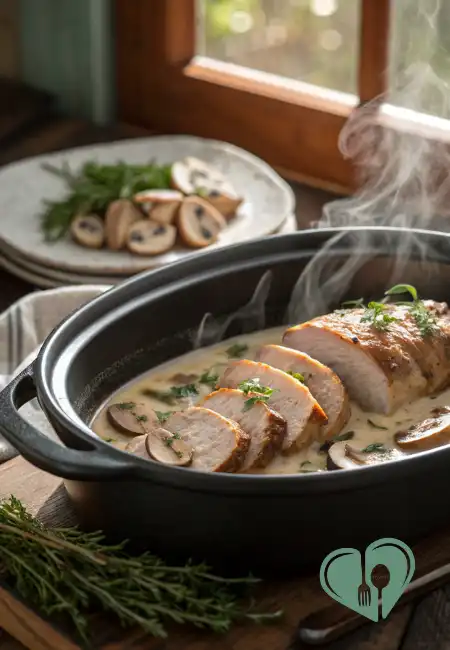
This turns into one of those meals you could swear you spent hours on. The mushrooms bring an earthy richness that feels way fancier than it actually is.
7. Low-Carb Thai Coconut Chicken Curry
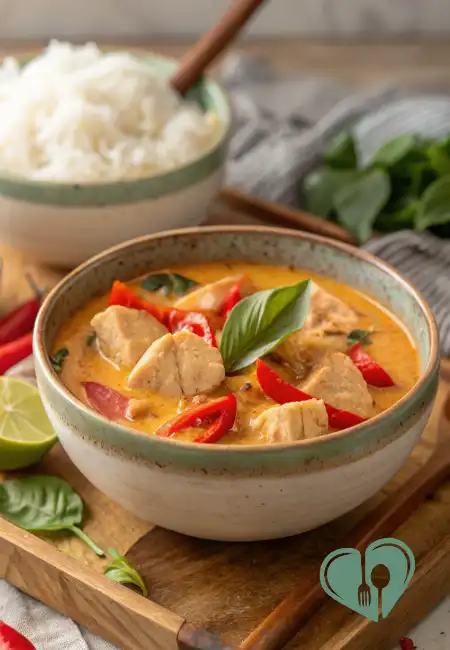
Warm, fragrant, and super filling. The coconut milk gives it depth without making it heavy, and the spices balance everything out.
8. Turkey Meatballs in Tomato Sauce
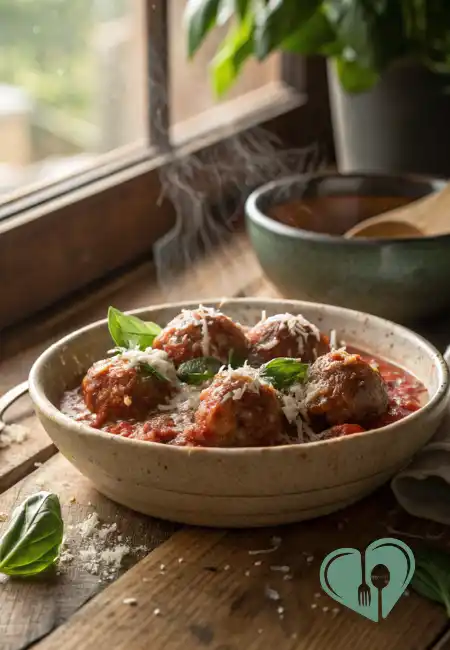
Soft and savory. The tomato sauce gives it acidity without sugar, and the meatballs stay juicy all day.
9. Crockpot Fish Stew with Vegetables
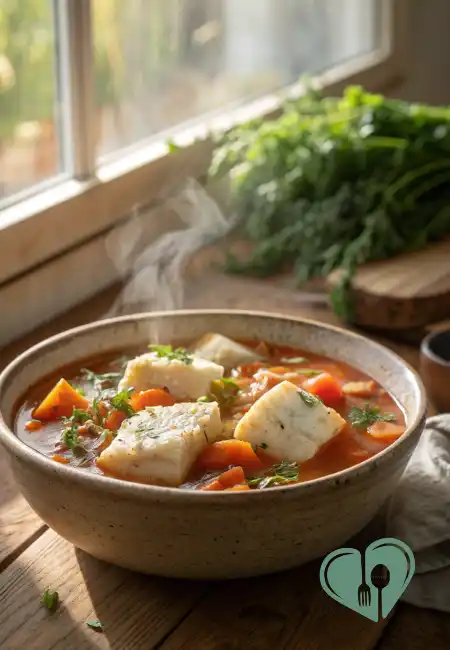
A lighter stew that still keeps you full. The slow cooker keeps the fish tender instead of turning it into mush.
10. Mushroom & Chicken Stroganoff (Low-Carb Version)
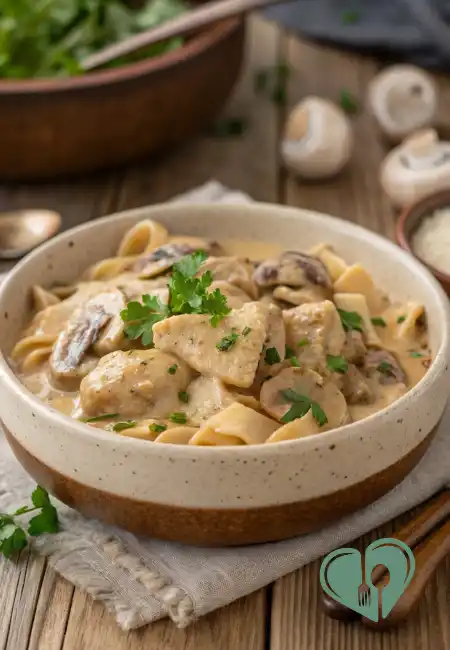
Creamy, cozy and satisfying. Mushrooms step in for pasta, and somehow it still feels indulgent.
11. Crockpot Shredded Beef Lettuce Wraps
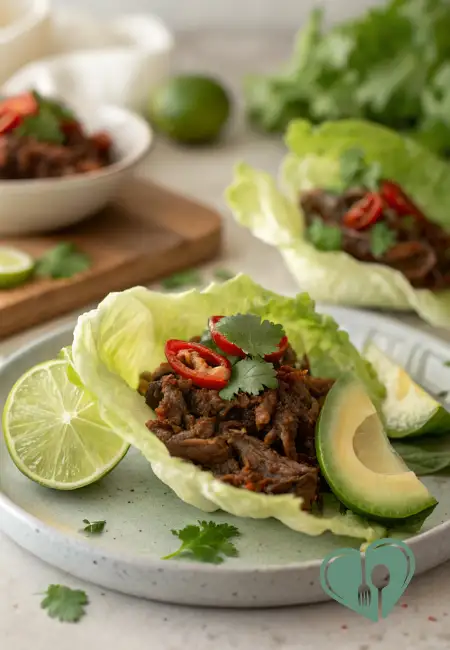
Rich, tender beef tucked into crisp lettuce. It feels like comfort food but without the heaviness that usually follows.
12. Buffalo Chicken Crockpot Dip
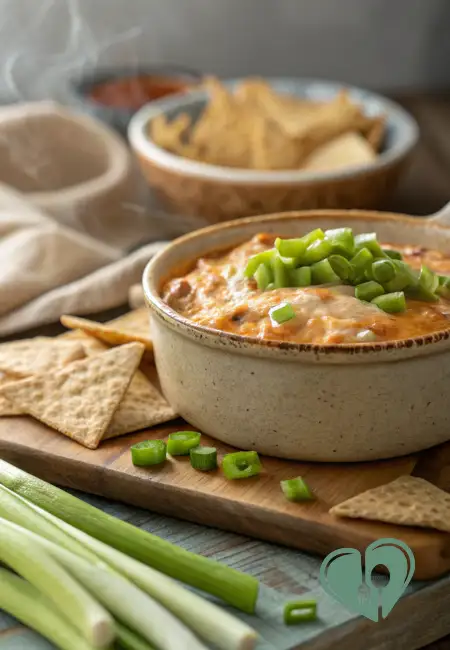
Spicy, high-protein, oddly addictive. Great with cucumber slices or celery sticks when you want something fun that won’t spike you.
13. Crockpot Breakfast Frittata
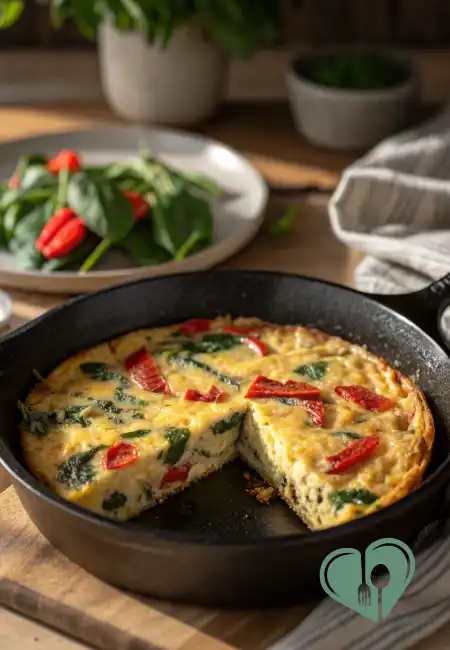
The easiest breakfast you’ll ever make. Eggs, veggies and protein all come together in a way that feels balanced and surprisingly filling.
14. Vegetarian Tofu & Cauliflower Curry
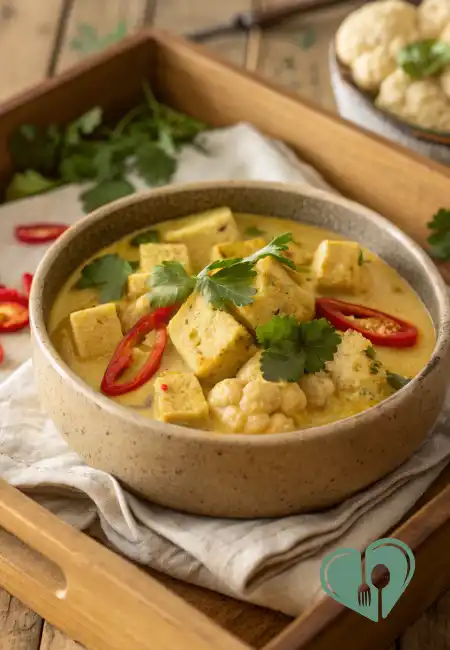
Plant-based and flavorful. The cauliflower holds up well in the slow cooker, and the tofu soaks up the sauce.
15. Crockpot Sausage & Peppers
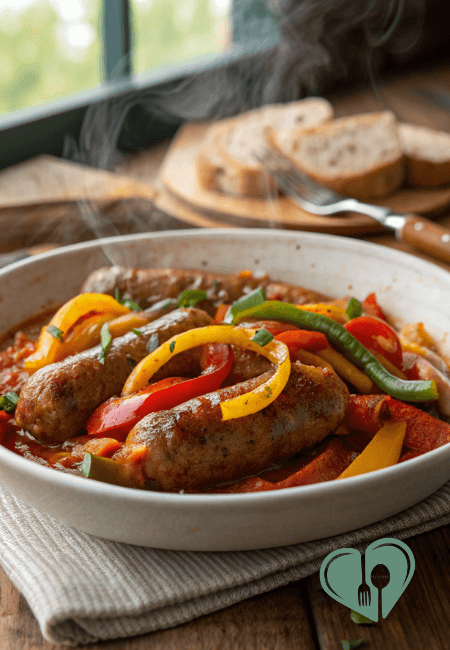
Simple ingredients, big flavor. The peppers get sweeter as they cook, and everything blends into a really satisfying dish.
16. Mediterranean Lamb Stew
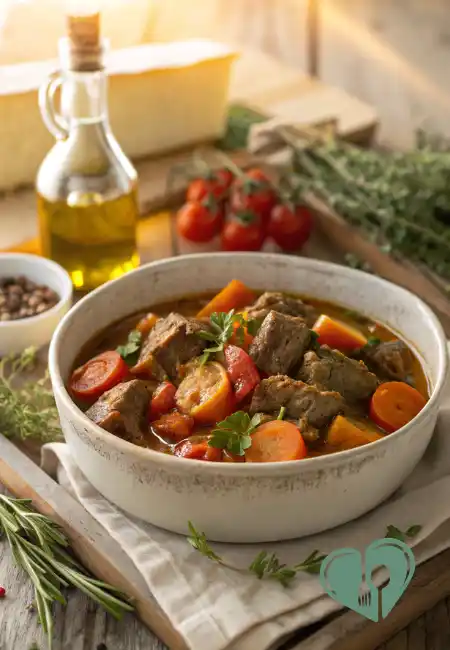
Herby, rich and perfect for a chilly evening. The lamb becomes incredibly tender and the tomatoes keep it bright.
17. Crockpot Pesto Chicken with Zucchini
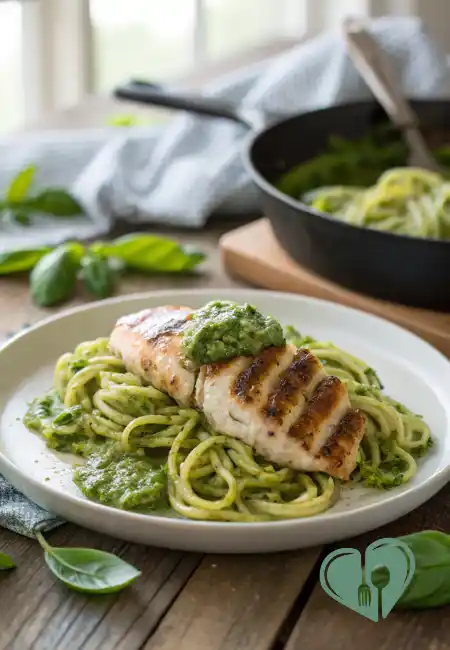
The pesto brings all the flavor, and the zucchini keeps things light. It’s the kind of meal that tastes “green” in a good way.
18. Crockpot Turkey & Brussels Sprouts
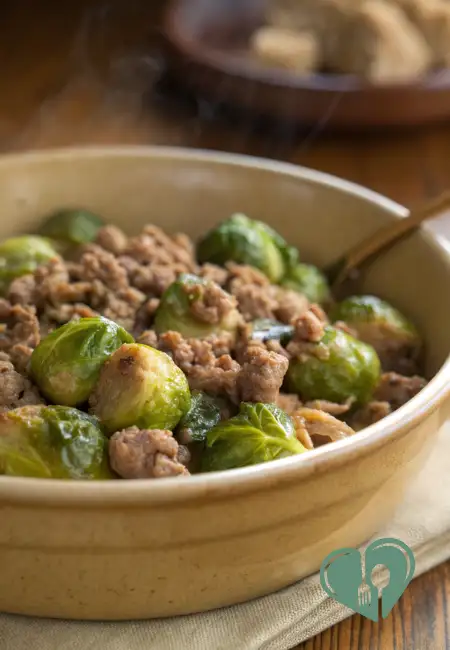
A clean, lean dish with a surprising amount of depth. Brussels sprouts mellow out as they cook and get a subtle sweetness.
19. Low-Carb Chicken & Kale Soup
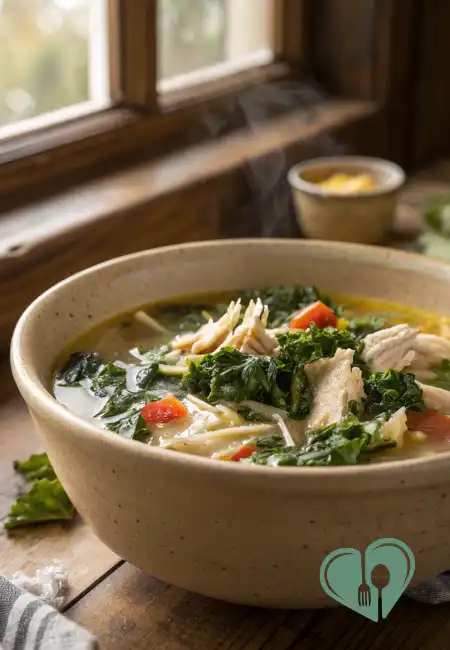
Classic slow-cooker comfort. The kale keeps its bite, and the broth makes it soothing when you need something simple.
20. Crockpot Cauliflower “Mac” & Cheese with Chicken
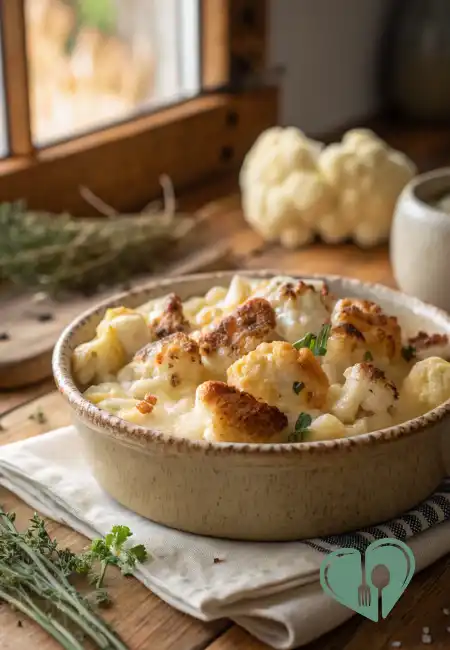
A low-carb twist on comfort food. The cauliflower holds the cheesy flavor well, and the chicken adds substance.
FAQ: Can diabetics eat these crockpot meals regularly?
Yes – these meals focus on lean proteins, fiber-rich vegetables and low-carb ingredients that support steady blood sugar. as long as your portions align with your personal goals, they’re safe to include several times a week.
Low-Carb Sides You Can Pair With These Crockpot Meals
Choosing a side dish can feel weirdly stressful when you’re trying to keep carbs in check. You finish a great crockpot meal, everything smells amazing and then you’re standing there wondering what to put next to it without undoing all your work. I’ve been in that moment more times than I can count. The good news is that low-carb sides don’t have to feel like a punishment. Most of the time, they’re simple, quick, and honestly a lot more satisfying than the old “rice and potatoes on repeat” routine many of us grew up with.
What surprised me over time is that the best sides aren’t the flashy ones. They’re the ones that take a few minutes and taste clean – almost like they’re giving your main dish some space to shine. A handful of sautéed greens. Some roasted veggies. A crunchy salad that balances out something rich. Nothing complicated. Nothing that sends your glucose on a rollercoaster. Just food that plays nicely with the slow-cooked meal you already have waiting.
And here’s something I didn’t expect: once you start leaning into low-carb sides, you realize how flexible they are. Pasta is pasta. Rice is rice. But cauliflower? Zucchini? Asparagus? They adapt to whatever mood you’re in. They don’t hijack your blood sugar or your plate. They just blend in and finish the meal.
Some sides that pair well without messing up your numbers
- Roasted cauliflower with a little olive oil
- A simple salad with vinegar or lemon dressing
- Sautéed kale or spinach (goes with almost anything)
- Steamed broccoli with herbs
- Zucchini cooked quickly so it stays firm
- Green beans tossed with garlic
- Roasted cabbage wedges (weirdly delicious)
- Mushrooms cooked down until they’re almost “meaty”
- Crisp cucumbers or radishes for crunch
These don’t feel like substitutes. They just feel like food – which is the whole point.
How do you decide which side goes with what?
It’s easier than people make it.
If your crockpot meal is heavy or creamy, pair it with something bright or crunchy.
If your meal is light, add something warm or roasted for balance.
That’s pretty much the whole formula.
Do you have to avoid starchy sides completely?
No. But you do have to be honest with yourself. A small scoop of a starchy side can fit into a meal but slow-cooker dishes are usually filling enough that you don’t end up needing it.
FAQ: What’s the most reliable low-carb side for steady blood sugar?
Leafy greens. They’re filling, low-carb, and help slow digestion. You don’t feel deprived and your blood sugar stays calm – a rare win-win.
DirLfloussWriter said:
Smart Portioning Tips for Diabetics Using Slow Cookers
Portioning sounds simple on paper, but when you’re scooping something warm and delicious out of a crockpot, it’s incredibly easy to get carried away. Slow cooker meals come out soft, comforting and sometimes a little too easy to overeat. I’ve had evenings where I thought, “It’s mostly vegetables, what’s the harm?” and then wondered later why my numbers drifted higher than expected. Portion control isn’t about being strict – it’s about knowing how the food behaves once it’s cooked down and blended together.
The tricky part is that slow-cooked meals look deceivingly harmless. Everything breaks down. Sauces thicken naturally. Veggies shrink. What started as a pot filled to the top suddenly becomes four servings… or is it six? This is where people get frustrated, because they genuinely don’t know how much they’re eating. You’re not alone in that. The best approach is to portion before you’re hungry. That small step changes everything. When you divide the meal while your brain is calm – not craving – you make better decisions without even trying.
What helps most is sticking to a loose structure. Protein roughly the size of your palm. An equal amount of non-starchy veggies. and then if the dish includes any carbs at all keep them to the side instead of letting them blend into the pot. That way you can measure them properly instead of guessing. Slow cookers are fantastic for making meals feel hearty but that heartiness can be misleading. A bowl packed with meat and veggies still counts, even if it’s low carb.
And here’s something I had to learn the hard way: fullness hits slower with crockpot meals. They’re soft and warm which means you don’t always realize you’ve had enough until ten minutes later. Eating a little slower or even just pausing halfway, makes a bigger difference than you’d think. It’s not about restriction – it’s about giving your body enough time to speak up.
How to Portion Crockpot Meals Without Overthinking
- Scoop out individual servings as soon as the meal finishes.
- Use containers that match the portion you want.
- Keep any carb-heavy ingredients on the side, not mixed in.
- Add a handful of extra veggies if the portion feels small.
It’s not a chore – it’s a small habit that protects your blood sugar.
Why slow-cooked meals can be easy to overeat
Soft foods go down faster. Flavors blend. The warmth is comforting. All of that adds up to “I’ll just take a little more,” even when you don’t need it. Being aware of this makes it easier to keep portions reasonable.
FAQ: What’s a safe portion size for diabetics?
A balanced portion usually includes a palm-sized serving of lean protein, plenty of non-starchy vegetables and a modest amount of carbs (if any) Slow-cooker meals are filling on their own, so most people find they need less than they think once they divide it ahead of time.
Meal Prep & Freezer Tips to Keep Blood Sugar In Check
If you’ve ever opened your fridge at the end of a long day and felt that familiar wave of “I don’t know what to eat, but I need to eat now,” you already know why meal prep matters. When you’re managing diabetes, those last-minute decisions are usually the ones that lead to the worst choices. Slow cookers make meal prep ridiculously easy, and the freezer becomes your best backup plan – almost like a safety net for the days your motivation disappears.
One thing I learned quickly is that crockpot meals freeze better than most people expect. Soups, stews, meat dishes, veggie-heavy meals – they all hold up well. And the best part? Freezing actually helps with portion control because you decide the portion before the hunger hits. Instead of standing over a warm pot and guessing, you’re grabbing a container you already portioned on a sane day. There’s something incredibly stabilizing about that, especially when your blood sugar has opinions of its own.
Another thing to keep in mind is how certain ingredients behave after freezing. Cauliflower stays pretty solid. Greens like kale and spinach hold up better than you might think. Tomato-based dishes reheat beautifully. But creamy sauces? They sometimes separate unless you stir in a little yogurt or broth after reheating. None of this is a big deal – it’s just stuff you start noticing when you prep regularly. And honestly, once you get into the rhythm of slow cooker meal prep, you start feeling like you’re always one step ahead of yourself.
One small trick that makes a huge difference: label everything. Not just the name – the date, the portion, even a quick reminder like “add broth when reheating” or “serve with veggies.” Future you will appreciate that more than you think. It stops the guesswork and keeps your eating consistent, even on chaotic days.
Meal Prep Tips That Make Life Easier
- Portion your meal before it cools so it’s easier to separate.
- Freeze in flat bags if your freezer is small – they stack neatly.
- Keep carbs out of the main dish and freeze them separately if needed.
- Write reheating notes on the container to prevent guesswork later.
Small habits, big payoff.
What Freezes Well (and What Doesn’t)
Foods that freeze reliably:
- Soups, stews, chilis
- Shredded meats
- Veggie-heavy dishes
- Tomato-based recipes
Foods that get a little tricky:
- Creamy sauces (they separate slightly)
- High-water veggies like zucchini (still edible, softer texture)
FAQ: How long can you store slow-cooker meals in the freezer?
Most crockpot meals keep well for two to three months if sealed properly. The flavor stays solid and the texture stays good enough that you won’t feel like you’re eating “freezer food.”
FAQ: Crockpot Meals for Diabetics
Search engines love an FAQ, but honestly, readers love them even more. When you’re living with diabetes, there are always those small, nagging questions that pop up while you’re scrolling – the “wait, is this actually safe for me?” type of thoughts. This section clears up the stuff people wonder about but don’t always ask out loud. Nothing sugar-coated, nothing overexplained. Just straightforward answers with a calm, human tone.
A funny thing I’ve noticed: the more you cook diabetic-friendly meals, the more confident you get… but in the beginning, the uncertainty is real. You wonder about carbs in sauces, or whether slow cooking changes how food affects your blood sugar, or if certain meats are better than others. These things don’t make you uninformed – they make you normal. Diabetes changes how you see food. You’re allowed to ask questions.
Let’s walk through a few of the common ones.
Can slow cooker meals raise blood sugar?
They can – but usually only if you throw in starchy ingredients without thinking about portions. Most crockpot meals stay pretty gentle on blood sugar because they’re built around protein vegetables and broth. The danger comes from sauces with hidden sugar or too many soft carbs like potatoes, carrots or pasta.
How many carbs should a diabetic aim for per crockpot meal?
There’s no one-size-fits-all answer but many people stay comfortable around 20 to 35 grams of carbs per meal. It really depends on your personal plan. The key is intentional carbs, not accidental ones cooked into the pot.
Are slow cookers healthier than cooking on the stove?
Healthier might not be the exact word, but they’re definitely steadier. Slow cooking keeps fiber intact, avoids high-heat browning that can add sugariness to certain foods, and generally leads to gentler digestion – which many diabetics find easier to manage.
Is there a best meat to use for diabetic crockpot meals?
Lean proteins like chicken breast, turkey, pork tenderloin and lean beef cuts are great because they don’t bring extra fat or sugar into the mix. But if you like richer cuts, you can use them – just watch the portion size. Fat isn’t the issue overeating is.
What ingredients should diabetics avoid in slow-cooked meals?
Skip anything that turns overly sweet once cooked down:
- Bottled BBQ sauce
- Sweetened tomato sauces
- Large portions of potatoes or carrots
- Flour-thickened sauces
- Store-bought soups with hidden sugar
They taste good, but they don’t treat your glucose kindly.
FAQ: What’s the easiest way to make any crockpot recipe diabetic-friendly?
Keep the protein solid, load the pot with non-starchy veggies, use broth instead of sugary sauces, and add carbs on the side where you can control them – not inside the pot where they disappear into the mix.
Conclusion: Making Crockpot Meals for Diabetics Easier and More Enjoyable
By now you’ve probably noticed something that doesn’t always get said out loud: crockpot meals for diabetics aren’t just convenient – they’re a small kind of relief. When you find meals that taste good, feel comforting and don’t mess with your numbers, everything in your day shifts a little. You get to relax. You stop negotiating with yourself at dinnertime. And suddenly, eating “diabetic-friendly” doesn’t feel like a tightrope anymore.
The whole point of this guide wasn’t to overwhelm you with rules. It was to give you meals that actually fit into real life. The slow cooker does half the work, and the rest is just small habits that make things smoother – portioning before you’re hungry, freezing a few servings for the crazy days, pairing your meals with sides that don’t send your glucose on a rollercoaster. None of it is complicated. It’s just practical.
And here’s the part that might stick with you later : you don’t need perfection. Not with food, not with diabetes, not with anything. If these meals help you feel more in control or give you one less thing to worry about, that’s a success worth keeping. pick the recipes that resonate with you rotate them however you want and let yourself enjoy dinner without the constant mental math.
You deserve food that supports you without draining you. hopefully, this list gives you a solid place to start.