
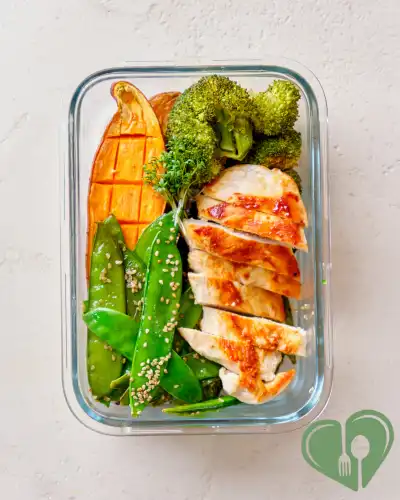
Store-bought diabetic lunch ideas. Just saying it out loud probably stirs mixed feelings. Part of you wants the ease, the no-fuss grab-and-go option. The other part worries: will it spike my blood sugar? Is it really worth the risk? I get it. That inner tug-of-war is real.
Here’s the thing: convenience foods have a bad reputation, but not all of them deserve it. Some ready-to-go meals are actually balanced, blood-sugar-friendly, and dare I say satisfying. It’s not about avoiding the store-bought aisle, it’s about knowing how to navigate it without feeling like you’re gambling with your health.
In this guide, I’m sharing exactly how to spot the smart picks, what to stay away from, and ten quick ideas that actually work for diabetic-friendly lunches. If you’ve ever stood in front of the fridge wondering what’s safe to eat, this might just change the way you see those pre-packaged options.
Why Store-Bought Options Can Work for Diabetics
I’ll be honest with you I used to side-eye every single store-bought meal like it was out to get me. You probably know that feeling too: standing in front of a fridge full of pre-made options, wondering which one is going to spike your blood sugar and which one is safe. It’s exhausting. But after a while, I realized something… not every ready-made meal is the enemy. Some of them? They actually work and they work well.
Think back to the last time you skipped lunch because you didn’t have time to cook. That crash that follows? The irritability, the low energy, the blood sugar mess? That’s exactly where a smart store-bought option earns its keep. These meals give you a safety net they’re there when life throws chaos at you, and sometimes, that’s the difference between a good day and a rough one.
The bonus with these options is that they’re predictable. You’re not guessing at what’s inside like with takeout. You flip the box over, you read the label, and you know exactly what you’re dealing with. That’s power. It means you get to choose meals that fit your numbers, instead of crossing your fingers and hoping for the best.
Common misconceptions about store-bought diabetic meals
Here’s the myth that refuses to die: all packaged foods are terrible. Sure, some are stuffed with junk, but that’s not the full picture anymore. Grocery aisles are changing. There are low-carb wraps that don’t taste like cardboard, protein boxes that keep you full for hours, and salads that don’t drown in sugar-laced dressing. The trick is not to avoid store-bought it’s to learn how to pick the winners.
Are store-bought lunches always worse than homemade?
Not really. Homemade gives you full control, but let’s be honest, life isn’t always that neat. A well-picked store-bought meal can be just as balanced sometimes even better, because portion sizes are already in check. When you know what to look for, these options stop being a last resort and start being a reliable part of your routine.
How to Choose Smart Store-Bought Lunches
I’ll be honest choosing store-bought meals used to stress me out. I’d pick something that looked “healthy,” only to check my numbers later and wonder what went wrong. Eventually, I figured out it’s not about avoiding the aisle altogether. It’s about knowing what matters on the label and ignoring the flashy claims on the front. ” Want to get better at reading nutrition labels like a pro?
Check out our guide on How to Read Labels for Store-Bought Lunch Items.”

Now when I shop, I go straight to the back of the package. I’m looking at four things: carbs, protein, fiber, and fats. That’s it If those numbers make sense, the meal goes in my cart. If not, back it goes. And one more thing I’ve learned the hard way if the ingredient list is long and full of things I can’t pronounce, it’s not worth it. Simple foods make life easier.
Check Net Carbs
Carbs are my first check. For lunch, I’ve found that sticking to roughly 30 to 45 grams of net carbs keeps me feeling good. Anything way over that, and I pay for it later. I’ve also learned to watch out for sauces or glazes they sneak in extra sugar without warning.
Prioritize Protein and Fiber
Protein and fiber are the two things that make a meal last. If I grab something with at least 20 grams of protein and 5 grams of fiber, I know I’ll stay satisfied. Chicken salads, lentil soups, or those little protein snack boxes? They never let me down.
Avoid Hidden Sugars
This one trips people up. Hidden sugars hide in dressings, in flavored yogurt, even in things labeled “healthy.” If I see words like syrup or any ingredient ending in “-ose,” I put it back. Better safe than sorry.
Watch Sodium and Fat Quality
Too much sodium throws me off. I try to keep my lunch under 600 to 700 mg when I can. As for fats, I’m not afraid of them, but I’m picky. If the fat comes from olive oil, nuts, or seeds, I’m good with it. If it’s processed oils or trans fats, nope.
What’s a safe carb range for diabetic lunches?
For most of us, keeping lunch between 30 and 45 grams of net carbs works well. But no rule is perfect. Check your numbers, see how you feel, and adjust. Your body knows what’s right.
10 Store-Bought Diabetic-Friendly Lunch Ideas
I’ve had my fair share of bad store-bought lunches the kind that look harmless but send your blood sugar soaring. After enough trial and error, I’ve found a few go-to options that actually work. These are the ones I grab when I’m too busy to cook but still want to stay on track.
Low-sodium tuna pouch + whole grain crackers
This is the lunch I keep stashed everywhere in my bag, at my desk, even in the car sometimes. A tuna pouch with a few whole grain crackers hits the spot. I’ll add lemon or seasoning if I’m feeling fancy, but even plain, it works.

Pre-made grilled chicken salad (with low-sugar dressing)
Salad kits used to scare me because of the dressings. Now I just toss the sugary packet and use my own. The chicken gives me the protein I need, and the veggies keep me full without spiking me.

Greek yogurt + nuts + veggie sticks
This one’s like my morning savior. A plain Greek yogurt cup, a handful of nuts, and some veggie sticks it’s quick, creamy, and keeps me from crashing later.
Protein box (boiled eggs, cheese, cucumber)
These boxes are my no-brainer choice. Boiled eggs, cheese cubes, a bit of cucumber nothing complicated, but it’s balanced and easy to eat anywhere.

Lentil soup with a side salad
When I crave something warm, lentil soup is it. I go for a low-sodium one and pair it with a quick side salad. It fills me up and feels almost homemade, minus the effort.
Hummus snack pack with whole-grain pita
Hummus feels like a treat. I dip either whole-grain pita or veggie sticks, and it always leaves me satisfied. It’s one of those meals that feels indulgent but isn’t.

Rotisserie chicken + microwaveable veggie pack
This combo is my “I can’t deal” dinner that works for lunch too. Grab a rotisserie chicken, heat up a bag of veggies, and you’re done. No stress, no spike.
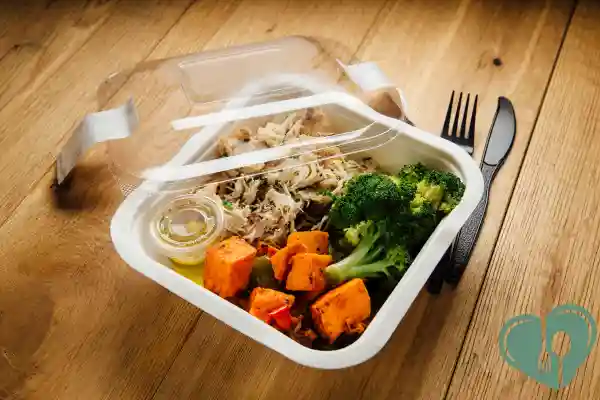
Turkey & cheese roll-ups with greens
When I’m too tired to even think, I make these. Turkey slices wrapped around cheese with a handful of spinach. A bit of mustard makes them taste like more effort than they are.
Edamame and tofu bowl (pre-packed)
I like these bowls because they’re plant-based but still high in protein. The edamame keeps me full, and the tofu soaks up whatever seasoning they use. It’s light but satisfying.
Low-carb protein smoothie (unsweetened)
There are days I just want to drink my lunch. An unsweetened, low-carb protein smoothie gets the job done fast, fills me up, and doesn’t mess with my numbers.
Can I eat these options daily?
You can, but switch them up so you don’t get bored. Mixing different choices also gives your body a better variety of nutrients. I rotate them depending on my mood and what’s in stock.
Best Grab-and-Go Items to Keep Stocked
Here’s the truth: the only reason I don’t end up grabbing junk food is because I keep the good stuff within reach. I’ve learned the hard way that if I don’t have something safe on hand, I’ll make a bad choice. So now, I keep a few lifesavers stashed everywhere at home, at work, even in my car. These are the ones that never let me down.
Shelf-stable tuna and salmon packs
These little pouches have bailed me out so many times. They don’t need to be refrigerated, they’re full of protein, and they’re easy to eat anywhere. Sometimes I rip them open and eat them as-is. Other times I’ll mix in a squeeze of lemon or throw them on crackers. Quick, simple, steady.
Single-serve nut butters and portioned nuts
These are my pocket-sized backup plan. If I’m stuck in traffic or my meeting runs late, I just grab one. A single pack of almond or peanut butter gives me enough to stay steady, and the portioned nut packs do the same. The only rule? I skip the ones with added sugar or oils.
No-sugar-added protein bars
Most protein bars out there are candy bars wearing a disguise. I’ve tried plenty, and only a few pass the test no added sugar, at least 15 to 20 grams of protein, and simple ingredients. I keep one in my bag just in case, because it beats grabbing something random when I’m starving.
How long can these items last without refrigeration?
That’s the best part they last for months. Tuna packs, nut butters, protein bars… they can sit in my pantry, drawer, or car until I need them. Stocking up means I’m never caught off guard and tempted by the wrong stuff.
Store-Bought Items to Avoid
Over the years, I’ve learned the hard way that some ready-made foods are just trouble. They look healthy, they taste fine, but later… my blood sugar tells a different story. Many of these mistakes are easy to avoid once you know what to watch for. check out Common Lunch Mistakes That Spike Blood Sugar to stay ahead. These are the ones I skip every time now.
“Low-fat” meals with hidden sugar
There was a time I thought “low-fat” meant safe. I’d grab these meals thinking I was making a smart choice. The spike that followed proved otherwise. When companies take out fat, they often add sugar to make up for the flavor. That trade-off is bad news for blood sugar.
White bread sandwiches and fried options
Fast, cheap, everywhere and a total trap. White bread sends my numbers up fast, and fried foods add another layer of stress on my body. The quick energy they give never lasts, and the crash that follows? Not worth it.
Canned soups with excessive sodium and carbs
Soup seems innocent, right? I used to think so. Then I checked the labels: sky-high sodium, carbs that add up fast, and sometimes even hidden sugars. If I really want soup, I stick to the ones with lower sodium and no added junk.
Are “low-fat” meals good for diabetics?
Not in my experience. They usually swap fat for sugar, which is worse. I do better with meals that have healthy fats olive oil, nuts, avocado because they keep me full without spiking my blood sugar.
Tips for Combining Store-Bought Items into a Balanced Lunch
There were so many times I’d eat a store-bought meal, feel full for maybe thirty minutes, and then end up searching for snacks. The food wasn’t bad it just wasn’t enough. I realized all it needed was a little something extra to make it work.
Now, I treat every ready-made lunch as a starting point. It’s not about cooking, it’s about adding a small boost protein, fiber, or something fresh. Those tiny tweaks completely change how I feel after eating.
Pair a ready-made item with fresh produce
Take rotisserie chicken. On its own, it’s fine, but boring. Toss it on some spinach or next to a few sliced veggies, and suddenly it feels like a proper meal. Same with protein boxes I’ll add cucumber or cherry tomatoes to make them more balanced.
Add your own protein to boost satiety
Many store salads skimp on protein. I just add a boiled egg, a handful of nuts, or leftover chicken. That little bit keeps me full and stops the afternoon crash.
Keep portable add-ons like nuts or boiled eggs
These are my secret weapons. A small pack of almonds in my bag or a boiled egg from the fridge turns a light meal into something satisfying. They take no time to add, and they make a huge difference.
What’s the simplest way to make a store-bought lunch healthier?
Skip the sugary dressings, add a bit of protein, and throw in some veggies. That’s it. Quick fixes that make a grab-and-go lunch actually work for you.
FAQs
Are frozen meals okay for diabetics?
They can be, but only if you’re picky about which ones you buy. A lot of frozen meals are loaded with sodium and sugars you wouldn’t expect. I stick to options with good protein (around 20 grams), lower carbs (under 45 net), and reasonable sodium. When I eat one, I’ll usually throw in some fresh veggies to make it feel like an actual meal instead of just something out of a box.
Can I eat pre-made salads every day?
You can, but only if you tweak them. Most store salads don’t have enough protein and come with dressings that are way too sweet. I swap the dressing for olive oil or a low-sugar option and throw in something extra like a boiled egg or chicken. That little change makes them actually satisfying.
3 What’s the safest store-bought dressing?
The safest? The simple ones. Olive oil and vinegar is always my first choice. If I go for bottled, I check that there’s no added sugar, the fats are healthy, and the ingredients are short and familiar. “Low-fat” creamy dressings usually hide sugar, so I skip those.
Store-Bought Diabetic Lunch Ideas That Actually Work
There are days when I don’t want to think about cooking, let alone do it. That’s when having a few store-bought diabetic lunch ideas ready to go saves me. They’ve kept me from grabbing whatever’s easiest the kind of stuff that would mess with my numbers.
Over time, I’ve learned what works: avoid the meals full of sugar or refined carbs and keep the simple, reliable ones on hand. If what I grab feels a little plain, I’ll add something small maybe a boiled egg, a few nuts, or some veggies.
…can work out just fine when you know what to choose. And if you prefer taking full control over what you eat, check out Meal Prep & Packable Diabetic Lunches for more ideas you can prep ahead and take anywhere.

Layla Hayes is a Diabetes Lifestyle & Wellness Coach who shares practical tips and supportive insights for living well with type 2 diabetes. Her writing focuses on real-life strategies — from blood sugar balance to mindful routines — helping readers feel steady, informed, and empowered every day.