
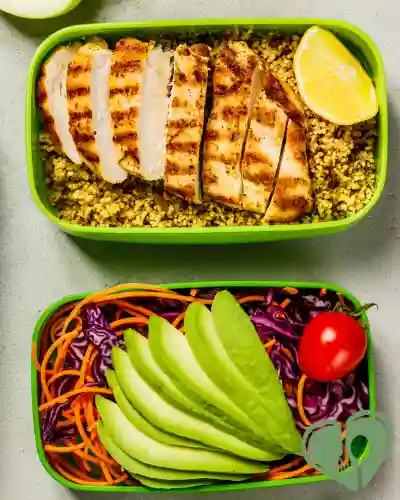
How to pack diabetic lunches without them turning into a mess by lunchtime? I asked myself that plenty of times. I’d pack in the morning, feeling good about it, then open the bag at noon… soggy wrap, limp lettuce, yogurt that’s way too warm. Not what you want to see.
It’s more than just taste. With diabetes, you start thinking, is this safe? or will this throw my numbers off? That tiny worry sits there and ruins the meal before you even start eating.
Turns out, fixing it isn’t hard. A few little changes separating things that shouldn’t touch, packing ice packs the right way make a huge difference. I didn’t believe it until I tried.
If you’re tired of lunches that fall apart or feel risky to eat, this is for you. Here’s how to pack diabetic lunches so they actually stay good until you need them.
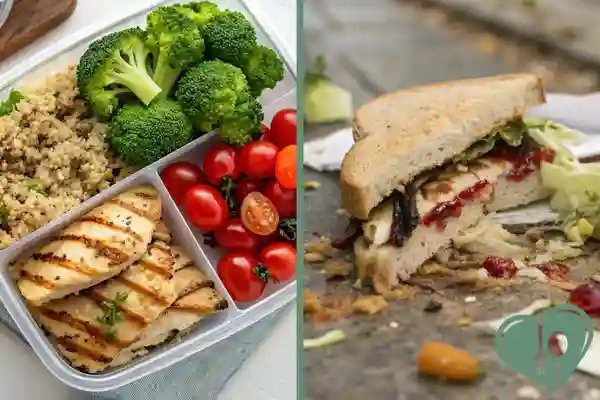
Why Proper Packing Matters for Diabetic Lunch Safety & Blood Sugar
Packing lunch seems simple. Toss food in a box, done. But if you’ve got diabetes, that’s not how it works. I’ve had days where I thought I packed fine, only to open it later and wonder if it was safe to eat. That tiny doubt? It’s enough to ruin your appetite.
The thing is, food changes fast once it’s out of the fridge. Warm mornings, long commutes it doesn’t take much for bacteria to grow. People without diabetes might just shrug it off, but when your immune system’s working harder, bad food can hit you harder. Nobody wants to deal with that.
And there’s the other part nobody talks about: when your lunch looks or feels off, you’re more likely to ditch half of it and grab something else. That’s how blood sugar plans go out the window. Fresh food keeps you on track, stale food doesn’t. Simple as that.
Getting the packing right isn’t about being fancy; it’s about making sure what you packed is what you’ll actually eat. Cool proteins stay safe. Crunchy veggies stay crunchy. You eat what you planned. Blood sugar stays steady. That’s the whole point.
Common Problems When Packing Diabetic Lunches (and How to Fix Them)
Packing lunch… sounds easy, right? Except, nope. It never goes as planned. I’ve had wraps that literally fall apart before I even unwrap them. Bread just soaks everything up gross. If you’re looking for wrap ideas that actually hold up and keep blood sugar steady, check out Quick Homemade Diabetic Wrap Ideas (No Blood Sugar Crash). Salads? They’re crisp in the morning and by lunch they look like something you forgot in the fridge last week.
Oh, and sauces. Don’t get me started. They separate, leak, or just turn everything into mush. Even fruit yeah, it’s healthy but if it’s cut, it leaks. Then suddenly your chicken smells like melon. Not in a good way.
Temperature? Ugh. That’s the big one. You think the ice pack will hold, but halfway through the morning it’s warm. Eggs, yogurt, chicken anything that needs to stay cold doesn’t. Then you’re standing there thinking, eat it? throw it? Either choice feels bad.
And when the lunch is ruined? You grab something else. Usually whatever’s nearby, not what you planned. Which let’s be real throws off the whole blood sugar game.
Honestly, the only thing that helps is packing smarter. Keep wet and dry separate. Use better containers (the ones that actually stay shut). Ice packs, sometimes two. Nothing fancy, just… don’t ignore the basics. Because every time I do, lunch goes wrong.
Ask ChatGPT
Choosing the Right Storage Materials for Freshness & Safety
I used to think any container would do. Spoiler: it doesn’t. The bag, the box, even how you stack things it all matters. If the setup’s wrong, by lunchtime your food’s a mess.
Insulated Lunch Bags & Cooling Packs
An insulated bag is the first thing. Not the thin kind that just looks nice, but the one that actually keeps cold in. I’ve tried skipping the ice pack before bad idea. One on top isn’t enough either. The trick? One under, one over. Sandwich your food in cold. Oh, and don’t leave it baking in the car, because no bag wins against that.
BPA-Free Containers with Sections
Those sectioned containers? Lifesavers. Wet stays wet, dry stays dry. You don’t get that gross “everything tastes like everything else” situation. Sauces stay in their own little corner until you’re ready for them. I’ve started using them for wraps too keeps the filling separate so it doesn’t destroy the bread.
Mason Jars & Bento Boxes
Mason jars felt like a Pinterest gimmick until I tried it. Dressing at the bottom, veggies in the middle, greens on top it actually works. You dump it out at lunch and boom, salad’s still crisp. Bento boxes are the same idea, just less flipping and more neat little sections. For someone who hates food mixing when it’s not supposed to, they’re a win.
Honestly, once I switched to better containers, half the battle was won. Fresh stays fresh. Soggy stays away. Simple.
Cold vs. Room-Temperature Lunches: What Works Best?
Cold vs. room temp… okay, here’s what I figured. Cold stuff? Needs to stay cold or it’s trash. Yogurt, tuna, eggs if they warm up, forget it. I’ve had eggs go bad in my bag before. Smelled it, nope, straight to the bin. Ice packs help but only if you use them right. One’s not enough. Two, maybe. And yeah, don’t leave the bag in the car.
Room-temp snacks? Way less stress. Nuts, seeds, those little nut butter packets they’re fine. Crackers, roasted chickpeas also fine. Cheese sticks? Eh, I still keep them with an ice pack. For more easy snack ideas that pair well with lunch and keep blood sugar stable, see Top 10 Diabetic Snacks to Pair With Lunch (For Busy Days).
Now I do a mix. Something that needs cold plus a backup that doesn’t care. If the cold stuff fails, at least I’ve got something safe to eat. No vending machine, no random carb spike. Just… easier.
Pro Tips to Keep Diabetic Lunches Fresh Until Mealtime
After too many lunches gone wrong, I picked up a few tricks that actually work. They’re small things, but they make a huge difference in whether your food is worth eating at noon or not.
First, don’t put dressing on your salad in the morning. Just don’t. Keep it separate or at the bottom of a jar where it won’t touch the greens until you dump it out. Same goes for wraps keep the protein or anything wet on the side and assemble later if you can. It sounds like a hassle, but it saves you from soggy disappointment.
Ice packs matter. Use two, one above and one below the food, like a cold sandwich around your lunch. And use an actual insulated bag, not one of those thin ones that just looks cute. Cold air needs to stay trapped. If you’re packing the night before, make sure everything goes into the fridge so it starts cold in the morning.
And here’s something I didn’t expect where you pack things matters. Proteins stay closer to the ice pack, snacks that don’t care about temp go farther out. It keeps the right stuff cold longer.
Once I started doing these little tweaks, my lunches stopped being a gamble. Food stays safe, tastes like it should, and I’m not running to buy something last minute.
Make-Ahead Diabetic Lunch Ideas That Stay Fresh
- Quinoa + chickpeas + herbs – easy. doesn’t get mushy. tastes better the next day. dressing? bottom of the jar. don’t mix until you eat.
- Turkey lettuce wraps + hummus – bread fails. lettuce works. keep the turkey + hummus separate so the leaves stay crunchy. put together right before eating.
- Egg muffins w/ veggies – make a bunch. fridge. grab + go. cold is fine. microwave makes them better if you’ve got one.
These are my go-tos. they hold up. no soggy mess. no surprise spikes. just… they work.
Final Thoughts: How to Pack Diabetic Lunches for Freshness, Safety & Peace of Mind
Packing lunch for diabetes… it’s annoying when it goes wrong. I’ve had wraps fall apart, yogurt turn warm, eggs I wouldn’t touch. Those days? I just grab whatever’s nearby. Blood sugar’s all over the place.
When it works, though it’s easy. You open the bag, food’s fine. Still fresh. You eat it, no stress, no guessing if it’s safe.
It’s not complicated. Keep cold things cold, wet things away from dry, use containers that actually do their job. That’s it. Do that, and lunch stops being a problem. It’s just lunch again.

Layla Hayes is a Diabetes Lifestyle & Wellness Coach who shares practical tips and supportive insights for living well with type 2 diabetes. Her writing focuses on real-life strategies — from blood sugar balance to mindful routines — helping readers feel steady, informed, and empowered every day.