
The Weeknight Diabetes Dilemma (And How Pantry Meals Save the Day)
Easy 30-minute diabetic dinners with pantry staples can be a real lifesaver especially when you get home hungry, the fridge is empty, and your blood sugar’s already dipping. For anyone managing diabetes, this isn’t just inconvenient it’s risky. Quick decisions made under pressure can send your glucose soaring.
That’s where pantry meals step in. With a few shelf-stable basics lentils, canned tuna, quinoa you can build fast, balanced dinners that actually work for your blood sugar. No guessing. No last-minute grocery runs.
Even better, you stay in control. You already know what’s in your pantry. You know how your body reacts to it. That kind of familiarity makes managing diabetes easier especially on nights when your energy’s running low and takeout’s calling your name.
This guide gives you five go-to diabetic dinners, simple pantry strategies, and real-life shortcuts built for busy nights. Because fast food should be the backup plan not the habit.
Need even more lightning-fast ideas? Check out our guide, 30‑Minute Diabetes‑Friendly Meals: Fast, Balanced & Blood Sugar Safe, for a fresh batch of sub‑30‑minute dinners that keep glucose in check.
The Diabetic-Friendly Pantry Staples You Need
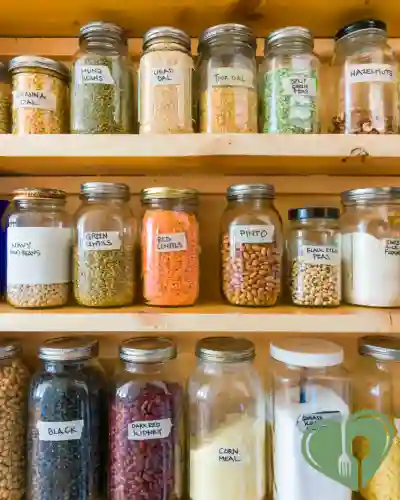
Let’s talk backup the kind of ingredients that don’t ask questions, don’t spoil in a week, and actually work with your blood sugar, not against it.
If you’ve ever stood in front of your pantry feeling like there’s “nothing to eat,” this list changes that. These are the go-tos that turn into real meals not just sides or afterthoughts.
Grains & Legumes That Actually Fill You Up
- Quinoa or brown rice slow carbs, no crash
- Canned lentils, chickpeas ready in under five minutes, plus fiber and protein
- Rolled oats not just for breakfast; they thicken soups, too
They’re diabetic-safe, versatile, and actually satisfying.
Proteins You Can Count On
- Canned tuna or salmon fast, lean, and no defrosting
- Shelf-stable tofu neutral in flavor, quick to soak up spices
- Nut butters (unsweetened) savory or sweet, depending how you use them
Think of these as your meal anchors the “you’ll be fine” part of dinner.
Vegetables, Broths & Boosters
- Canned tomatoes (no sugar) the backbone of soups and curries
- Frozen greens & bell peppers fiber and color without the prep
- Low-sodium broth turns leftovers into a meal
- Spices, olive oil, vinegar flavor without mystery ingredients
The goal isn’t gourmet it’s reliable, doable, and kind to your numbers.
How to Identify Hidden Sugars and Sodium in Pantry Foods?
Check labels for anything ending in “-ose” (that’s usually sugar), and watch sodium per serving especially in broths or beans. When in doubt, rinse canned foods or look for “no salt added.”
5 Easy 30-Minute Diabetic Dinners with Pantry Staples
Let’s keep this simple. These aren’t fancy or new. They’re the kind of meals you make when you’re done thinking, your blood sugar’s dipping, and takeout’s calling your name.
Looking for more quick and blood sugar–friendly dinner ideas? Don’t miss our One-Pan Diabetic Skillet Meals five fast, balanced recipes that keep cleanup and carbs in check.
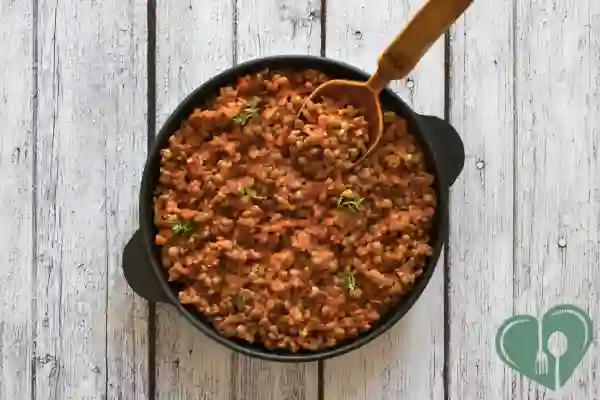
1. Lentil-Tomato Toss
Lentils and canned tomatoes in a skillet with some onion, garlic, and curry powder (or whatever spice you don’t hate). Stir, simmer, done. Eat over rice or just grab a spoon. Feels warm and filling without spiking anything.
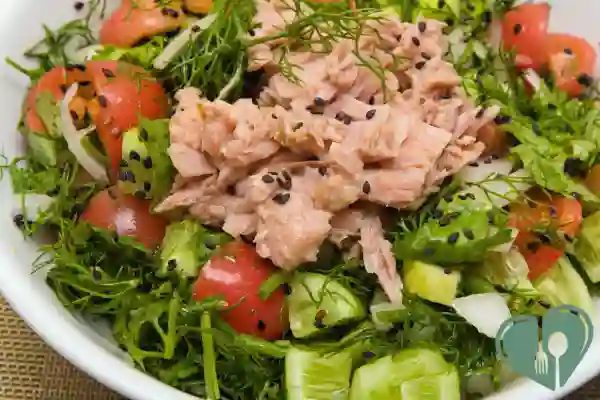
2. Cold Crunch Tuna
Open a can of tuna. Mix it with mustard and a little yogurt. Spoon it into raw bell peppers or wrap it in lettuce if that’s all you’ve got. Fast, crunchy, no stove required.
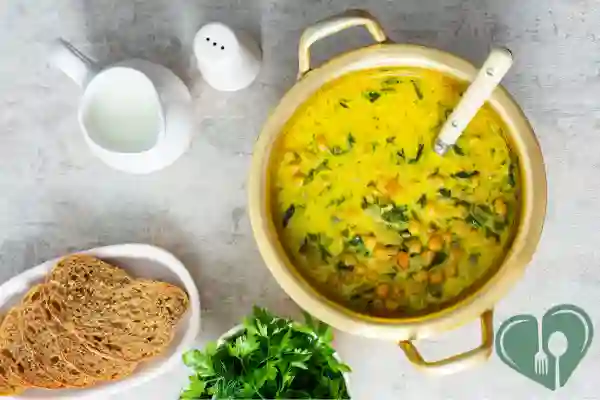
3. Spinach Chickpea Soup
Canned chickpeas, frozen spinach, broth. Add garlic and cumin if you’re awake enough. Simmer till it smells like something you’d actually eat. Great with a squeeze of lemon if you’re feeling fancy.
4. Quinoa Fridge Fry
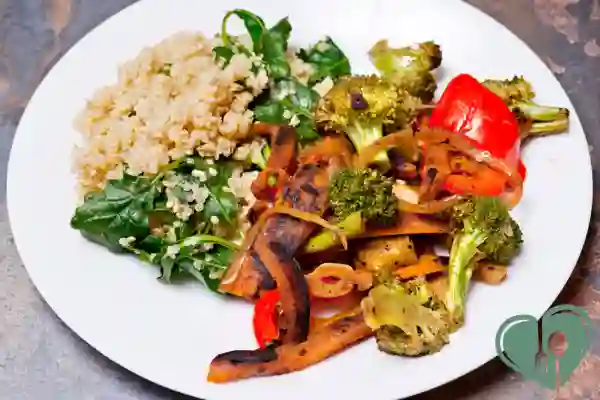
Leftover quinoa? Throw it in a pan with frozen veg and whatever protein you’ve got. Tamari or soy sauce brings it together. Tastes like effort wasn’t.
5. Three-Can Chili
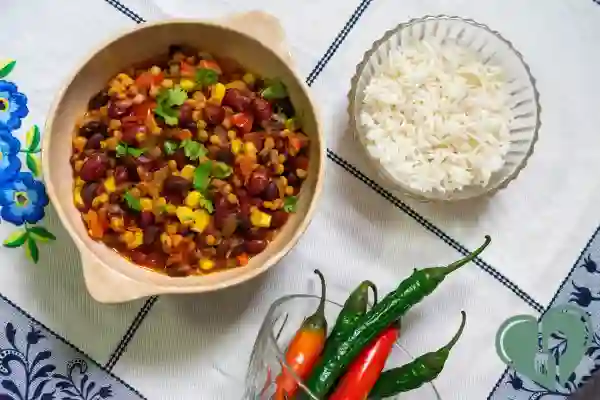
Grab three types of beans, dump in tomatoes, toss in chili powder, garlic, onion. Simmer. That’s it. Want it thick? Blend a cup and stir it back in. It’ll feed you for days.
Is this really enough for a proper meal?
If it fills you up, keeps your blood sugar steady, and doesn’t stress you out that’s a proper meal.
Time-Saving Cooking Hacks for Diabetics
You’re not looking for clever you’re looking for done. Here’s what actually helps when time’s tight and your blood sugar’s on a deadline.
- Grains? Cook once.
Quinoa, brown rice make a big batch, use it all week. It’s your base for almost anything. - Frozen onions = no chopping.
Same for garlic. Straight from freezer to skillet. Life-changing. - Spice blends beat recipes.
One pinch of something good can carry a whole dish. You don’t need six jars. Just one mix you like. - Pre-washed greens go everywhere.
Into soup. Under stir-fry. Next to canned beans. Done. - Broth makes leftovers feel like a meal.
Toss in whatever you’ve got it pulls everything together fast.
What if I don’t want to cook at all?
Then don’t. Rinse canned beans, mix with olive oil, vinegar, and anything crunchy. That’s dinner. Zero flames involved.
Smart Swaps & Variations for Diabetic Cooking
You don’t need the perfect ingredients to make a balanced, blood sugar–friendly meal. You just need enough to get close and know what plays the same role.
No quinoa? Bulgur, barley, oats. Same slow burn, same fiber. Out of beans? Use lentils, split peas, even frozen edamame. Protein and fiber that’s the point.
If the recipe calls for Greek yogurt and you’ve got none, mash some avocado or stir in tahini. Creaminess, check. Fat for satiety, check. The dish holds up.
Flavor doesn’t need sugar. Or salt, really. A hit of vinegar sharpens anything. Garlic and paprika add that warm, smoky note. A handful of dried herbs changes everything.
Comfort food’s still possible just built a little differently. Whole grain pasta, mashed cauliflower, blended beans in place of cream. It’s still cozy, still filling just easier on your numbers.
FAQs About Pantry-Based Diabetic Meals
Pantry meals can feel like a compromise especially when you’re used to thinking fresh equals better. But here’s the thing: canned beans, frozen spinach, shelf-stable tofu? They work. Not just in a pinch regularly. As long as you’re checking for added sugar and salt, there’s no downside. You’re getting the same nutrients, often with less prep and waste.
Carb-wise, most of these meals stay in that 30–45g net carb range per serving which lines up with ADA dinner targets. It’s not a hard rule, though. Some days you’ll want more, some less. Trust your meter and how you feel after eating that tells you more than any number on a label.
Soup too thin? Don’t reach for flour. Pureed beans, a scoop of mashed lentils, or a few cooked cauliflower florets blended smooth they’ll thicken things up without nudging your glucose the wrong way.
And yes, this style of eating holds up. You don’t need a fridge full of fresh produce to eat well. Rotate your staples, play with flavor, and throw in something new when you feel stuck. Pantry cooking isn’t boring if you build it around what actually works for you.
Pantry Dinners for Diabetics Even Without Fresh Ingredients
You don’t need the “perfect” dinner to eat well with diabetes. Sometimes it’s about opening the pantry, scanning what’s there, and saying okay, this will do. And not just do it’ll work.
These aren’t fancy meals, but they’re reliable. They hold you over when energy’s low and the fridge is empty. They keep your numbers steady and your brain a little quieter. That’s something.
Over time, you start to trust your own shortcuts. You stop second-guessing whether canned chickpeas are “healthy enough” or if frozen spinach counts. They do. They count more than skipping dinner or ordering something you’ll regret.
So no, you don’t need much. Just a few solid staples, a rough sense of balance, and the reminder that done is often better than perfect especially on a Tuesday night.

Layla Hayes is a Diabetes Lifestyle & Wellness Coach who shares practical tips and supportive insights for living well with type 2 diabetes. Her writing focuses on real-life strategies — from blood sugar balance to mindful routines — helping readers feel steady, informed, and empowered every day.